Heat pump types · GSHP
Ground Source Heat Pumps UK: Costs, How They Work & Is It Worth It?
Ground source heat pumps cost £18,000–£35,000 but deliver higher efficiency than air source. We explain when GSHP pays back, what land you need, and how the £7,500 BUS grant applies.
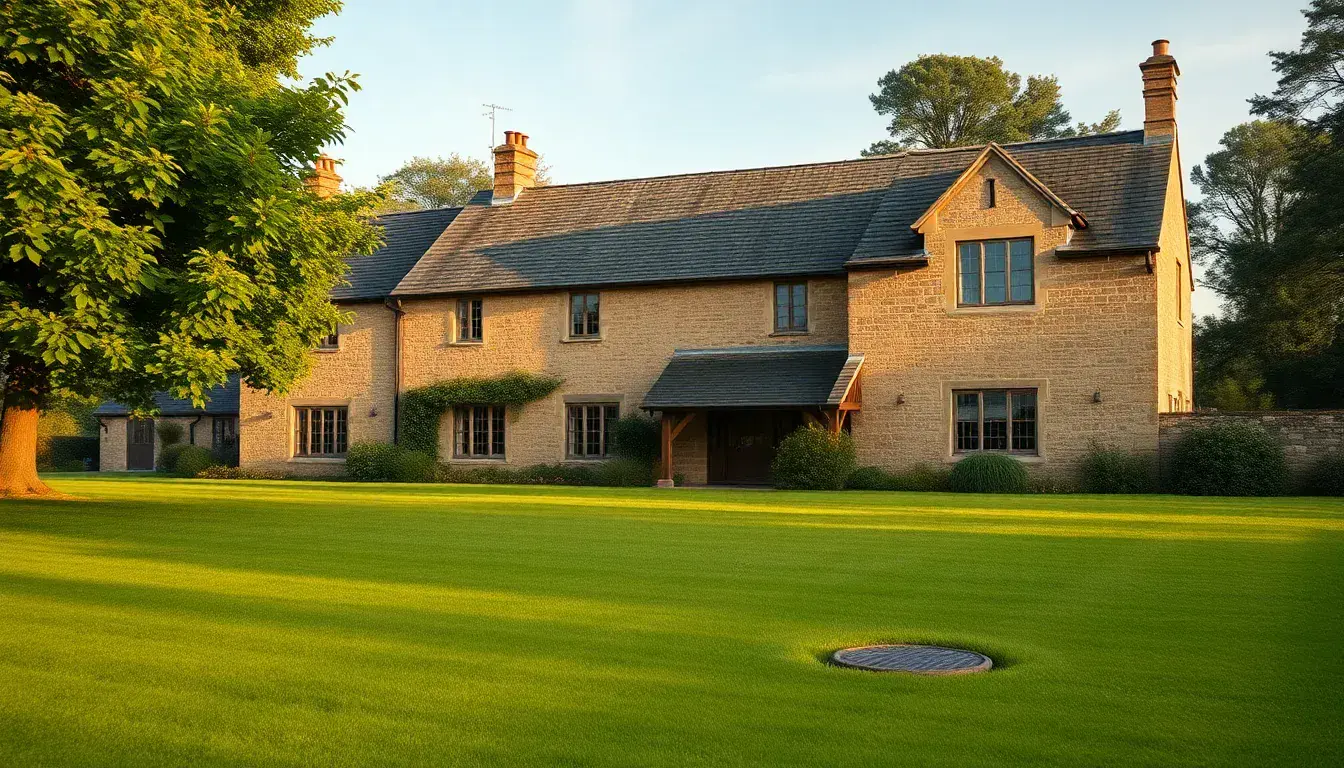
Ground source heat pumps (GSHP) extract heat from the soil rather than the air. They're more efficient than air source heat pumps and last longer, but they cost roughly twice as much to install. For most UK homes, the maths doesn't quite work — but for rural off-grid properties with high heat demand, GSHP can be the right answer.
How they work
GSHP uses the same refrigerant cycle as air source, but the heat source is the ground instead of the air. There are two ways to harvest ground heat:
Horizontal ground loop
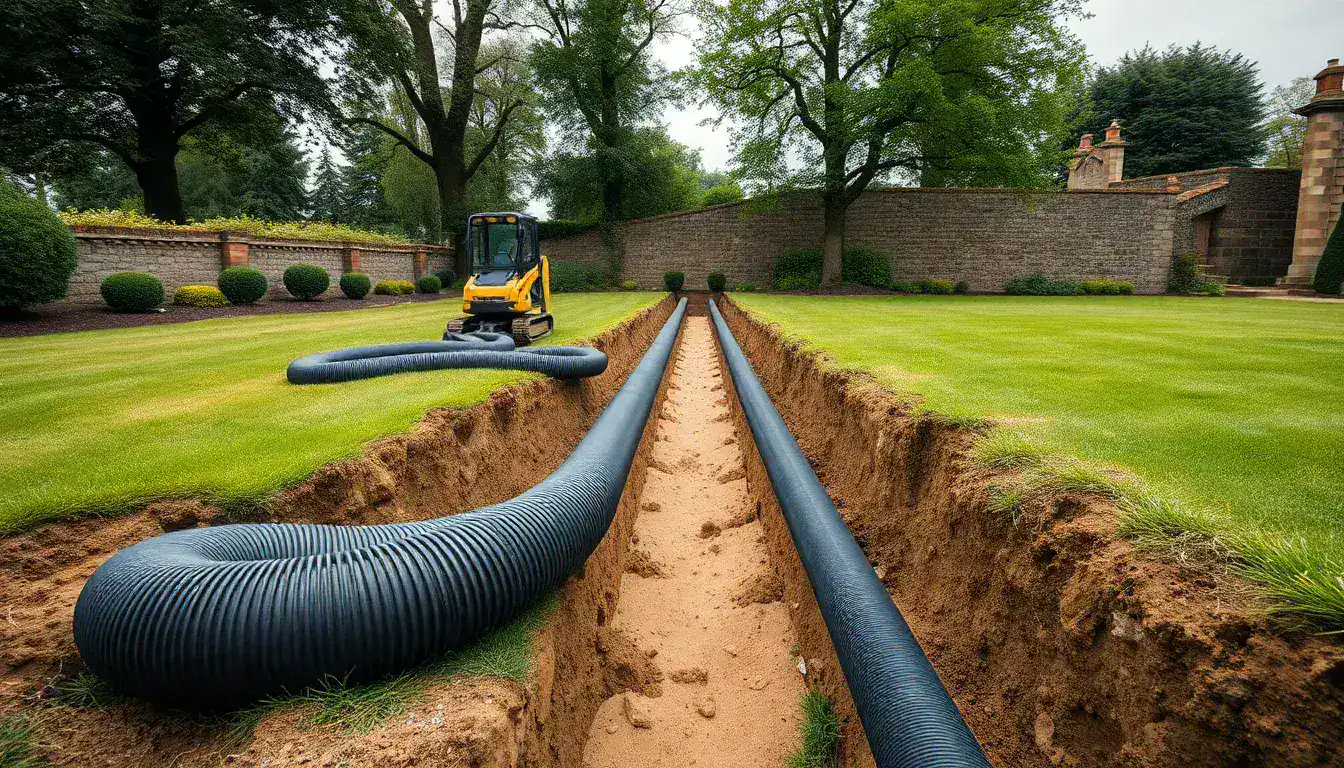
Pipes laid in trenches roughly 1–2m deep across your garden. The pipes contain a water/antifreeze mix that absorbs heat from the soil. Lower upfront cost (no specialist drilling), but needs significant garden area.
- Space needed: roughly 2.5× heated floor area (a 100m² house = ~250m² of garden)
- Install cost: typically lower than borehole
- Disruption: high — gardens are dug up
- Lifespan: 50+ years
Vertical borehole
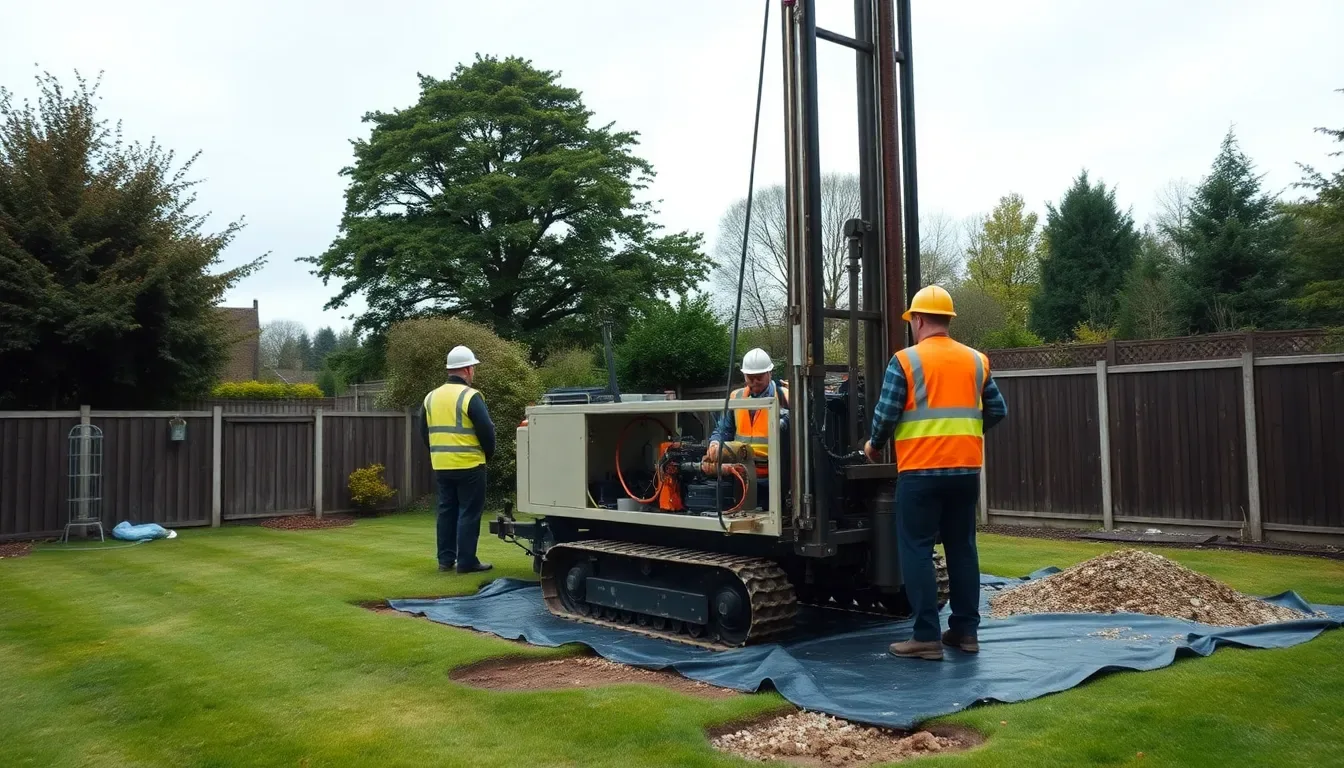
A drilled hole 60–200m deep, with a sealed pipe loop inside. Tiny surface footprint but needs specialist drilling rigs (which can't access all sites). Best for smaller plots or constrained sites.
- Space needed: 4–8m² of surface garden per borehole; depth does the work
- Install cost: higher than horizontal — £6,000–£15,000 just for the drilling
- Disruption: moderate — a couple of days of drilling rig access
- Lifespan: 50+ years; possibly 100+
Costs
| Property | Before BUS | After BUS grant |
|---|---|---|
| 3-bed semi (horizontal) | £18,000–£26,000 | £10,500–£18,500 |
| 3-bed semi (borehole) | £22,000–£32,000 | £14,500–£24,500 |
| 4-bed detached | £22,000–£32,000 | £14,500–£24,500 |
| 5+ bed / large rural | £26,000–£45,000+ | £18,500–£37,500+ |
The £7,500 BUS grant covers the same flat amount as air source — so the net cost gap between ASHP and GSHP is the same as the gross cost gap. There's no extra grant for the more expensive system.
Running costs and efficiency
GSHP delivers SCOP 3.5–4.5, vs 2.8–3.4 for ASHP. For a 3-bed semi consuming 12,000 kWh useful heat:
| System | SCOP | Electricity used | Cost on Cosy tariff |
|---|---|---|---|
| GSHP (SCOP 4.0) | 4.0 | 3,000 kWh | ~£700/yr |
| ASHP (SCOP 3.2) | 3.2 | 3,750 kWh | ~£900/yr |
GSHP saves around £200/year over ASHP in running costs — roughly £2,000 over a decade. If the upfront cost difference is £8,000+, this savings stream alone won't pay back within the heat pump's life.
Where GSHP can win: large homes with very high annual heat demand (25,000+ kWh useful heat). At that scale, the per-kWh saving compounds enough that GSHP starts to look economically rational.
When GSHP makes sense
The right scenarios for ground source:
- Rural off-grid property with no mains gas, replacing oil or LPG (high running-cost savings compound)
- Large heated floor area (4–5+ bedroom, big plot)
- Long-term ownership (15+ years remaining intent)
- Sufficient garden for horizontal loop, or willingness to pay for borehole
- New-build or major renovation where loop installation isn't disruptive on top of other works
When GSHP is the wrong choice:
- Smaller urban homes (under 4-bed)
- Small or no garden
- Short-term ownership plans
- Already on mains gas (gas-to-ASHP economics are tighter without GSHP premium)
The drilling/digging process
For a borehole install: a specialist rig drills one or two deep holes over 2–4 days. Mud and spoil need to be managed. Once complete, the holes are sealed and grouted; only the wellhead is visible.
For a horizontal install: a mini-excavator digs trenches roughly 1m × 1m × the garden length needed. Pipes are laid, sand-bedded, and backfilled. Garden surface is left disturbed for a few months while it settles, then re-landscaped.
Specialist installers handle this end-to-end — you don't need to coordinate the drilling contractor separately. Drilling is the most weather-dependent part; very wet ground can delay schedules.
Brands and units
The major UK GSHP brands:
- NIBE — Swedish; strong GSHP heritage; market leader for many years
- Vaillant geoTHERM — established boiler brand with GSHP range
- Mitsubishi Ecodan — GSHP range alongside their ASHP units
- Kensa — UK specialist, ground-source-only manufacturer
- Calorex — Polish/UK, focus on commercial and large-domestic
Kensa in particular is worth noting — they're a UK-based ground-source specialist with strong installer training and clear product range. If you're seriously considering GSHP, look at their installer network.
What to ask your installer
- Have you sized the heat demand based on a full heat loss survey?
- Borehole or horizontal — which is right for this site and why?
- What's the modelled SCOP across the year?
- What's your experience of the drilling contractor (if borehole)?
- What's the cylinder size, and where will it go?
- How will the garden be reinstated after work?
- What's the unit warranty and the ground loop warranty (separately)?
- Have you spoken to the Environment Agency about borehole notification?
The bottom line
Ground source heat pumps are excellent technology, but the install cost premium rarely pays back for typical UK suburban homes. For rural off-grid properties with high heat demand and long-term ownership, GSHP can be the right answer — particularly when paired with the £7,500 BUS grant.
If you have a garden under 200m² or you're already on mains gas, air source is almost certainly the better choice. Get quotes for both if you're unsure — a good MCS installer will tell you honestly which one suits your case.